
Code Reviews That Improve Systems and Teams
A practical approach to reviewing correctness, communicating risk, sharing context, and maintaining accountability for AI-assisted changes.
- #leadership
- #ai
Code review is a technical decision about whether a change is ready to become part of a maintained system. It also transfers context between engineers. A useful review should leave both the implementation and the team's understanding stronger.
Establish intent and risk
Start with the behavior the change is meant to deliver. Read the surrounding code, identify the affected contracts, and ask what can fail at the boundaries.
Focus on correctness, authorization, data integrity, concurrency, and recovery where they apply. A plausible failure scenario is more actionable than a preference for a different implementation style.
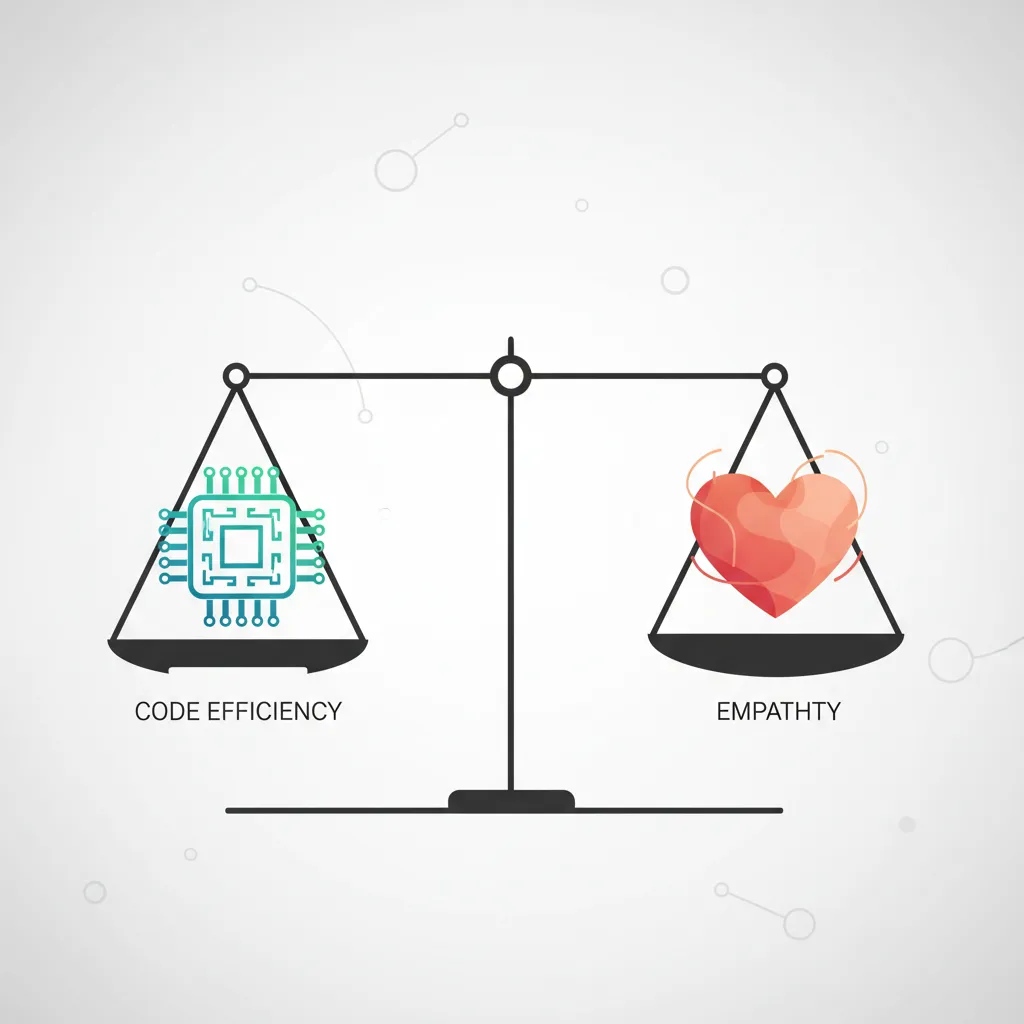
Make feedback concrete
A strong comment explains the trigger, the consequence, and the expected behavior. For example: "If this request times out after the write commits, retrying can repeat the side effect. Can we define an idempotency boundary before adding retries?"
Use a question when information is missing, and state a defect directly when the evidence is clear. Respectful feedback can still be precise about what blocks approval.
Separate required changes from suggestions
Distinguish correctness issues and meaningful regressions from optional improvements. Explain why a change is required, and label preferences so the author does not have to infer their priority.
Formatting and other mechanical conventions belong in automated checks where practical. Human review is most useful where context and judgment affect the decision.
Review AI-assisted changes with the same accountability
AI assistance can produce a large diff quickly. That increases the importance of a bounded request, understandable changes, and verification tied to behavior.
The author remains responsible for explaining the implementation. Generated code and generated tests can share the same mistaken assumption, so passing tests should be assessed against the requirement and failure cases.
Useful review evidence includes the affected call path, the tests or manual checks performed, and material limitations. Claims that an assistant checked something should be backed by the actual result.
Use review to distribute knowledge
Explain the principle behind a concern and record decisions that future maintainers will need. A focused review can clarify an architectural boundary, improve a test strategy, or reduce reliance on one person.
My goal is to help the team ship a change it understands and can support. Clear feedback and a proportionate standard of evidence make that possible.